





The Future of ERP: How AI and Machine Learning Are Transforming Business Operations
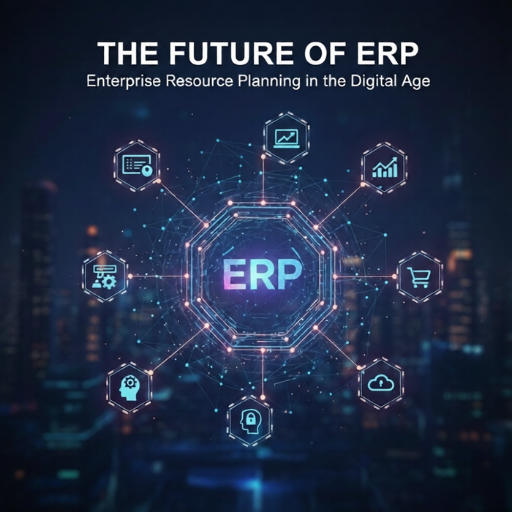
Enterprise Resource Planning (ERP) systems have been the backbone of business operations for decades, enabling companies to integrate core functions such as finance, human resources, supply chain management, and customer relationship management into a unified system. However, with the rapid advancement of artificial intelligence (AI) and machine learning (ML), ERP systems are undergoing a transformative shift, improving automation, decision-making, and predictive analytics. This evolution is revolutionizing how businesses operate, offering enhanced efficiency, accuracy, and agility.
The Integration of AI and ML in ERP Systems
Traditional ERP systems are primarily rule-based, requiring manual inputs and predefined workflows. However, AI and ML technologies are introducing automation and intelligence, reducing human intervention while enhancing system adaptability. By leveraging AI-powered algorithms, ERP solutions can now process large volumes of data, identify patterns, and make informed predictions.
Some of the key AI and ML capabilities being integrated into ERP systems include:
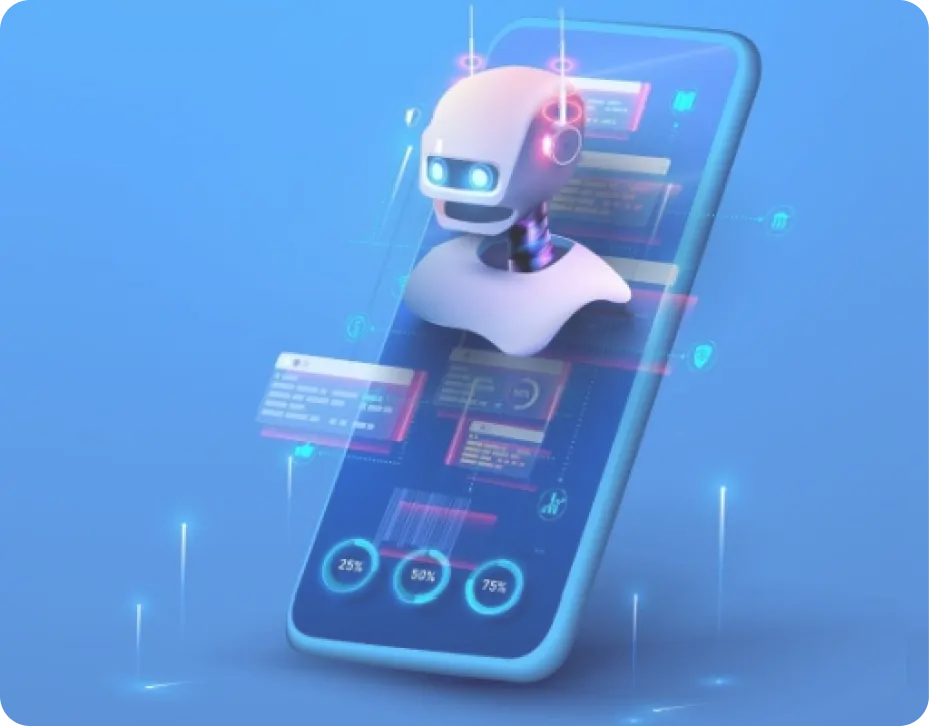
- Intelligent Automation: AI-driven automation eliminates repetitive and mundane tasks, allowing employees to focus on strategic and high-value activities. For example, AI-powered chatbots can handle customer inquiries, process orders, and manage employee requests within an ERP system, reducing response times and improving user experience.
- Predictive Analytics: ML algorithms analyze historical data to identify trends and predict future outcomes. This capability is particularly useful for inventory management, demand forecasting, and financial planning. Businesses can make proactive decisions, reducing waste and optimizing resource allocation.
- Enhanced Decision-Making: AI-driven ERP systems provide real-time insights and recommendations, helping businesses make data-driven decisions. These systems can analyze multiple variables and suggest the best course of action based on past data and predictive modeling.
- Process Optimization: AI and ML continuously learn and adapt to business processes, identifying inefficiencies and recommending improvements. Whether it is supply chain logistics, production scheduling, or workforce management, AI-enhanced ERP systems optimize operations for better performance.
How AI and ML Are Enhancing Business Operations
The integration of AI and ML into ERP systems is transforming business operations across multiple domains:
1. Finance and Accounting
AI-powered ERP systems automate financial processes, such as invoice processing, fraud detection, and expense management. ML algorithms can analyze spending patterns to detect anomalies, helping prevent financial fraud. Additionally, AI-driven financial forecasting enables businesses to predict cash flow trends and make informed budgetary decisions.
2. Supply Chain and Inventory Management
Supply chain management is becoming more efficient with AI-driven ERP systems. ML algorithms analyze supplier performance, monitor inventory levels, and optimize procurement strategies. Predictive analytics help businesses anticipate demand fluctuations, ensuring the right products are available at the right time while minimizing excess inventory.
3. Human Resources and Workforce Management
AI-powered ERP solutions streamline HR operations by automating payroll processing, employee performance analysis, and recruitment. AI-driven analytics assist HR managers in identifying skill gaps, predicting employee attrition, and suggesting personalized training programs, leading to a more engaged and productive workforce.
4. Customer Relationship Management (CRM)
AI-driven CRM modules within ERP systems improve customer interactions by analyzing customer data, predicting preferences, and offering personalized recommendations. AI-powered chatbots and virtual assistants provide 24/7 customer support, enhancing user experience and boosting customer satisfaction.
5. Manufacturing and Production Planning
In manufacturing, AI-enhanced ERP systems optimize production schedules, reduce downtime, and improve quality control. AI-powered sensors in smart factories collect real-time data, enabling predictive maintenance and reducing equipment failures. This ensures smooth production operations and minimizes costly disruptions.
Challenges and Considerations
While AI and ML are revolutionizing ERP systems, their implementation comes with challenges:
- Data Security and Privacy: AI-powered ERP systems rely on vast amounts of data, raising concerns about cybersecurity and data privacy. Businesses must ensure robust data protection measures and compliance with regulations.
- Integration with Legacy Systems: Many organizations operate on legacy ERP systems that may not be compatible with AI-driven technologies. Upgrading or migrating to AI-powered ERP solutions requires significant investment and careful planning.
- Employee Resistance to AI Adoption: Employees may be hesitant to embrace AI-driven ERP systems due to fears of job displacement. Businesses must focus on change management strategies, training programs, and demonstrating AI’s role as an enabler rather than a replacer.
The Future of AI-Driven ERP Systems
As AI and ML technologies continue to advance, the future of ERP systems looks promising. Key trends to watch include:
- Self-Learning ERP Systems: AI-powered ERP solutions will continuously learn from user behavior and business processes, becoming more intuitive and adaptive over time.
- Voice-Activated ERP Assistants: Voice-enabled AI assistants will enable users to interact with ERP systems using natural language commands, improving accessibility and user experience.
- Blockchain Integration: Combining AI with blockchain technology will enhance data security, transparency, and traceability within ERP systems.
- AI-Powered Hyperautomation: The convergence of AI, ML, robotic process automation (RPA), and the Internet of Things (IoT) will drive hyperautomation in ERP, further streamlining business operations.
Conclusion
AI and machine learning are transforming ERP systems, enhancing automation, predictive analytics, and decision-making capabilities. Businesses that embrace AI-powered ERP solutions gain a competitive edge by improving efficiency, optimizing resources, and making data-driven decisions. However, organizations must address challenges such as data security, integration complexity, and employee resistance to fully leverage AI-driven ERP systems. As technology continues to evolve, the future of ERP will be defined by intelligent, self-learning systems that drive business innovation and growth.